
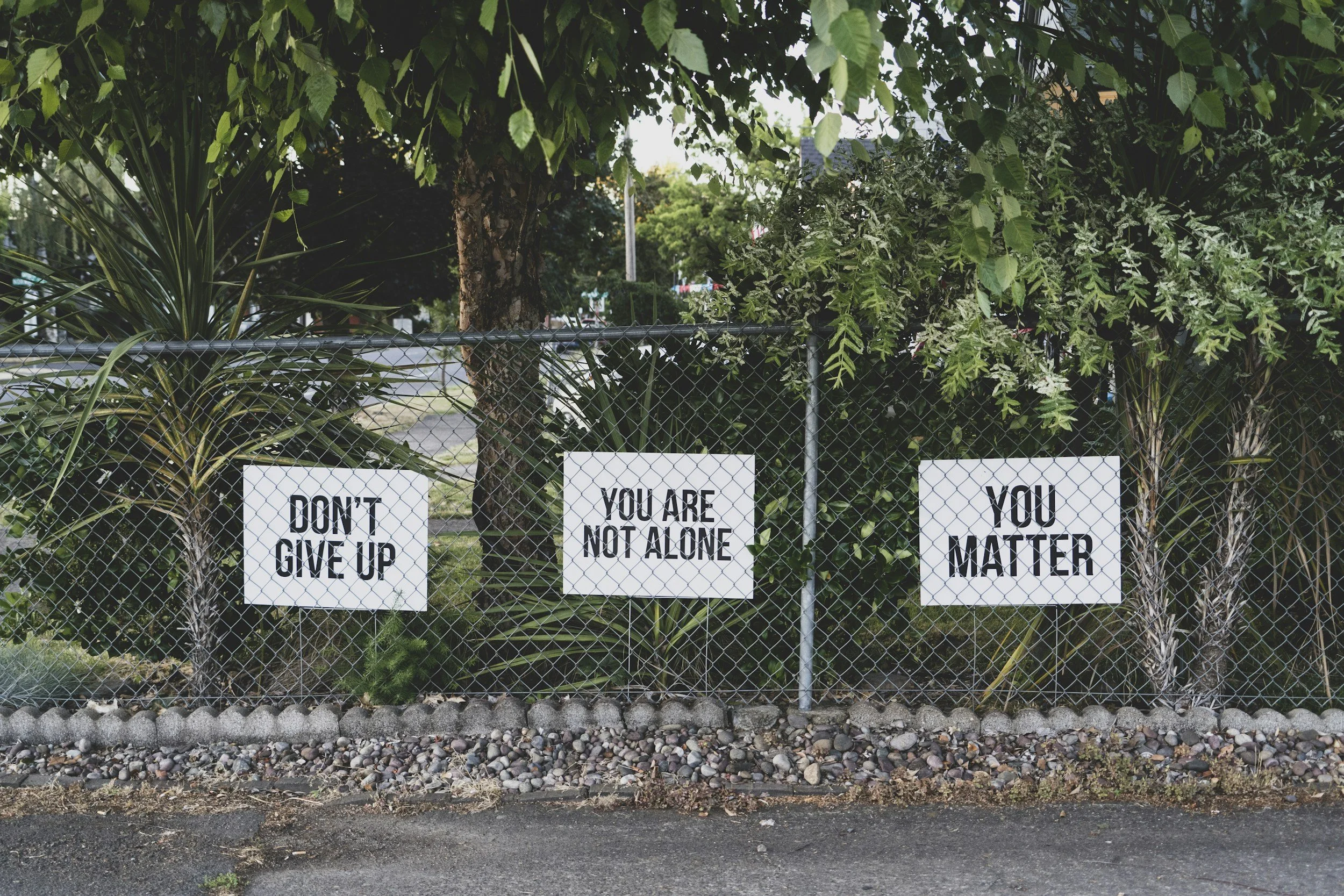

School Safety Deserves More Than a Patchwork Solution
Every K–12 campus deserves the same dedicated, professionally managed police presence that many colleges already have. Relying on local municipal departments stretches patrol resources, diverts emergency responders, and creates uneven coverage across districts. Establishing a specialized K–12 police department—one that absorbs district security teams—creates a unified force with standardized training, clearer command structures, and faster, more coordinated responses to incidents.
Such an agency should be staffed and led by committed, non-retiring professionals who prioritize sustained, proactive safety work: prevention, relationship-building with students and staff, trauma-informed intervention, and rapid incident management when needed. Piecemeal arrangements and temporary leadership make school safety an afterthought; our children’s protection warrants a focused, consistent approach. A dedicated campus police department can deliver that focus, improve community trust, and ensure every school has timely, expert emergency response.

The Profession Cannot Move Forward While Holding Onto “This Is How We Have Always Done It”
Change is inevitable; evolve with it or risk falling behind. Transformation begins when those willing to lead step forward—embracing new ideas, modeling adaptive behaviors, and creating the structures that make change sustainable. Effective change drivers combine clear vision with practical action: they communicate why change matters, remove barriers, equip others with the skills and resources they need, and measure progress honestly. Change that sticks is trauma-informed and inclusive, recognizing how disruption affects people differently and addressing fears and resistance with empathy and support. Leaders who act first set the tone, but lasting advancement depends on building shared ownership—inviting diverse perspectives, celebrating small wins, and iterating based on feedback. When change is intentional, coordinated, and human-centered, organizations and communities not only survive disruption—they grow stronger because of it.